The short answer
| Type | How it works | Use it for |
|---|---|---|
| Cam lock | A key turns a flat cam behind the frame. | Cabinets, lockers, kiosks and indoor panels where security matters but sealing doesn’t. |
| Quarter-turn latch | A 90° turn of a key, tool or wing knob swings a cam into place. | Access panels that are opened often and need quick, tool-operated access. |
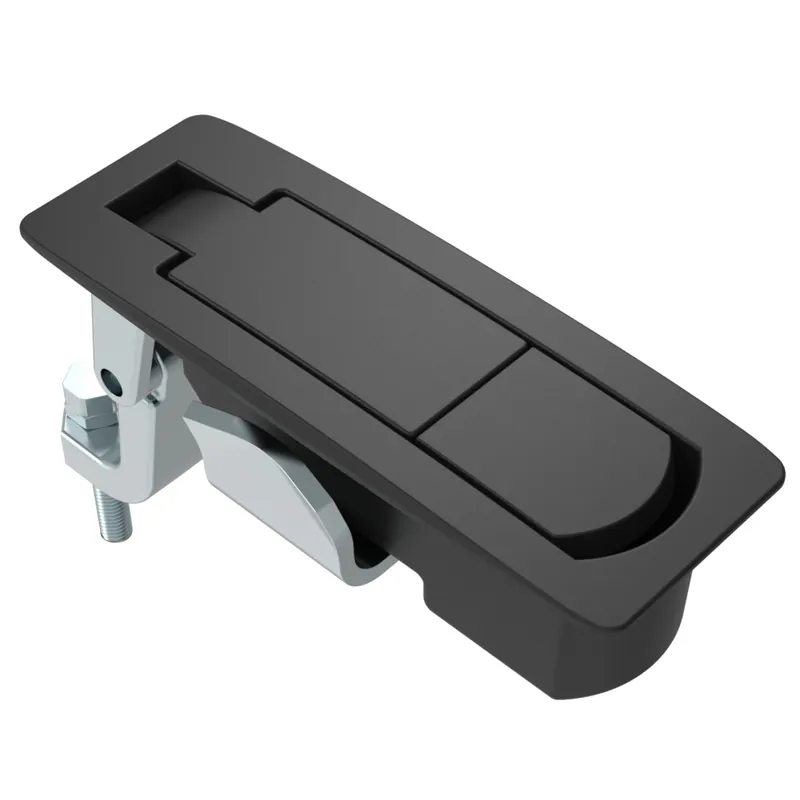
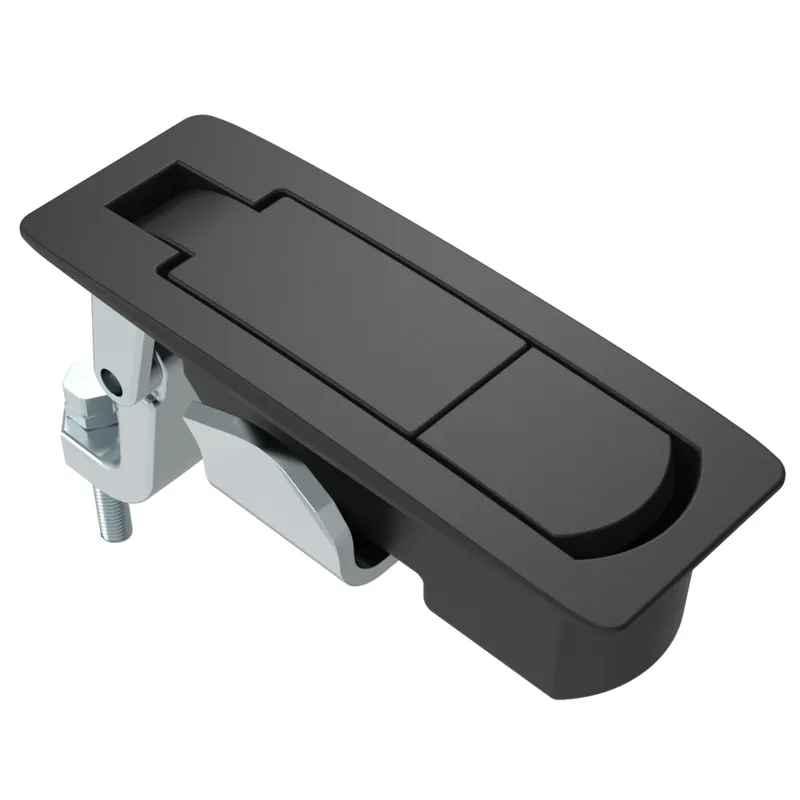
| Compression latch | Turns like a quarter-turn, then pulls the door in and squeezes the gasket. | Sealed electrical enclosures, outdoor cabinets and doors exposed to vibration. |
Sealing: the deciding question
An IP-rated enclosure only keeps its rating if the gasket is compressed evenly all the way round. A cam lock holds the door closed but doesn’t pull it in, so the seal depends on how hard someone pushed the door. A compression latch draws the door onto the gasket by a set amount every time, which is why panel builders specify them for outdoor and wash-down enclosures.
Vibration and rattling
Doors on generators, vehicles, rail equipment and machinery shake. A plain cam can loosen and the door can rattle. The clamping force of a compression latch keeps the door tight, and many designs are tested for vibration resistance.
Security and keying
- Keyed alike: one key opens every lock in a project, which is convenient for maintenance teams.
- Keyed different or master-keyed: controls who can open what.
- Tool-operated (triangle, square or hex): keeps casual users out without managing keys.
- Padlockable handles and electronic access: add lock-out or an audit trail of who opened the cabinet and when.
Measure the grip range
Grip is the distance from the mounting face of the door to the point where the cam bears on the frame. Too little and the cam won’t engage. Too much and the door is loose. Measure it on the actual door and frame before you order, and include any gasket thickness.
Material and finish
Zinc die-cast with a powder coat or chrome finish suits most indoor and sheltered applications. Choose stainless steel for coastal, mining, chemical and food environments. Engineered plastics suit light-duty, corrosion-free applications.
Tall doors need more than one point
On doors taller than about a metre, a single latch can leave the top and bottom corners unsealed. A multi-point system uses one swing handle to drive rods that lock the door at the top, middle and bottom.
What to send us for a quote
Send the door and frame thickness (or the grip), the cut-out shape, how the latch should be operated, keying requirements, the environment and the quantity. A photo of the existing lock helps us match it.
Frequently asked questions
Can I replace a cam lock with a compression latch?
Often, yes. Some compression latches are designed for common panel cut-outs, which makes the upgrade straightforward. Check the cut-out drawing and the grip before ordering.
What does keyed alike mean?
Keyed alike locks are all opened by the same key, so one key works across a whole project or site. The key number is listed in the product specification.
Which latch do I need for an IP65 enclosure?
Use a compression latch with a suitable gasket, so the door is pulled onto the seal evenly. The overall IP rating depends on the enclosure, gasket and latch working together.